





Core Design Scheme for Air Traffic Control Tower
Command Center Consoles
General Design Provisions
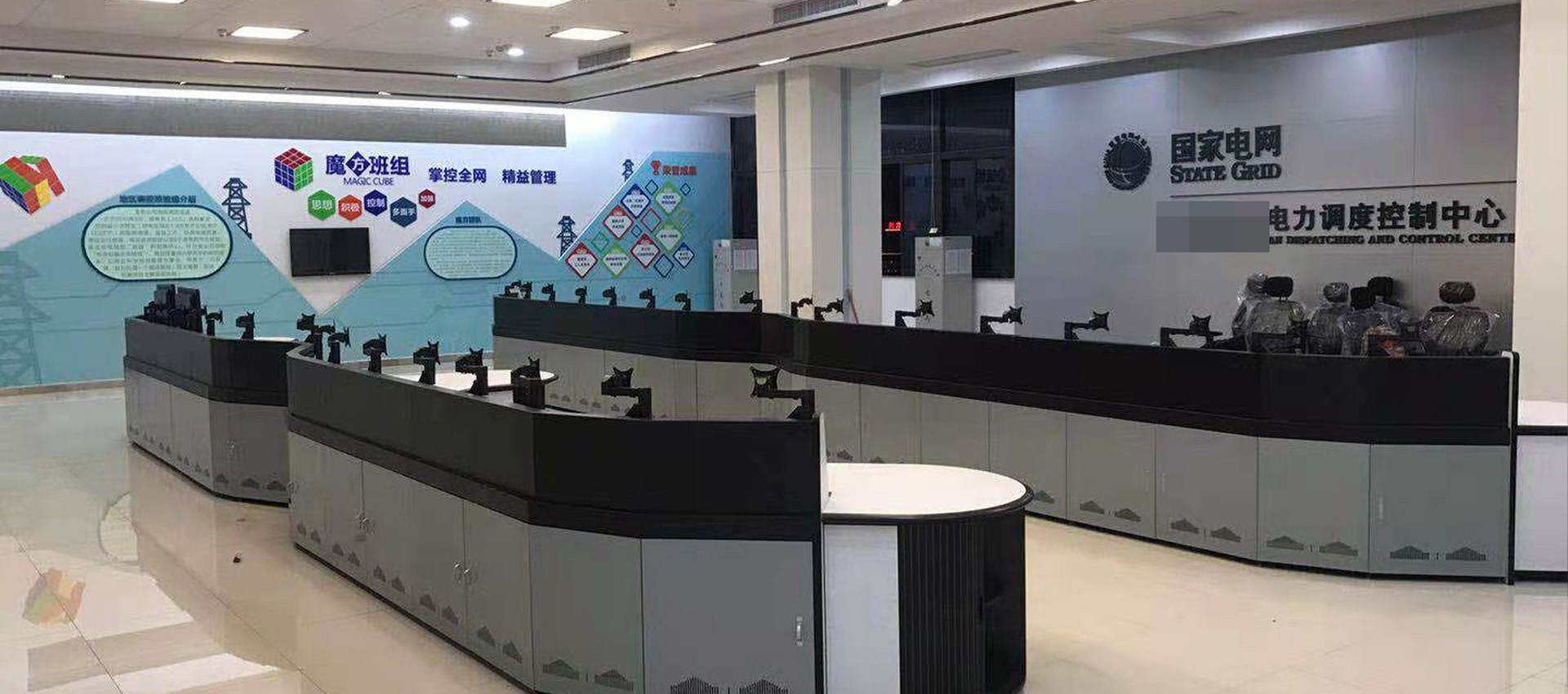
Overall Layout & Structural Design
Overall Layout Configuration
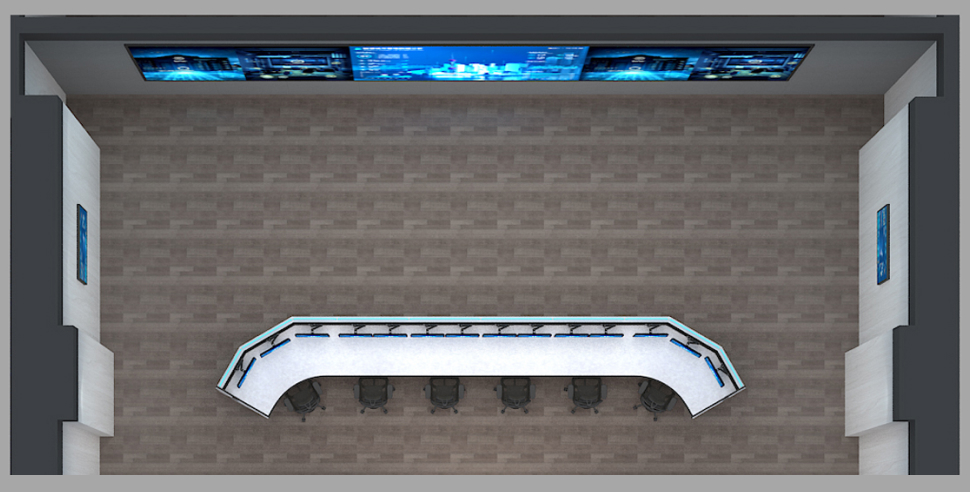
It strictly follows the tower-specific structural logic: unobstructed front viewing area, central operation equipment zone, concealed rear wiring compartment. No supporting columns or protruding equipment blocks the line of sight, fully satisfying the 360° visual observation requirements of runways, taxiways and aircraft stands in the tower. The physical layout delivers a tidy, professional and stable working environment for air traffic control operations.
Ergonomic Standard
Dimensions
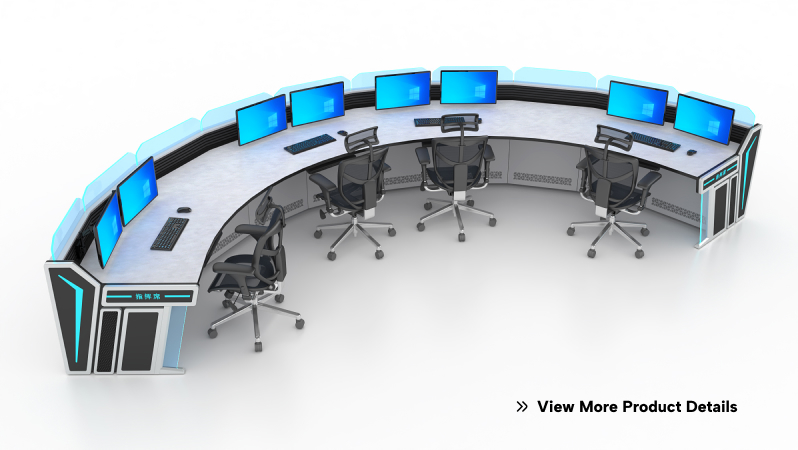
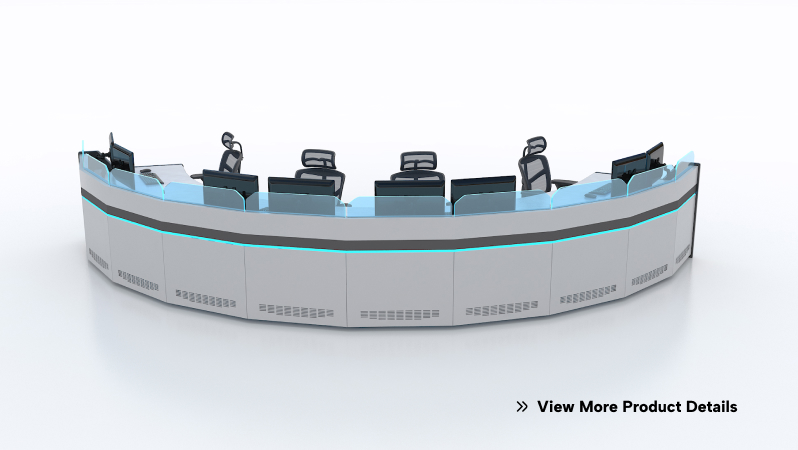
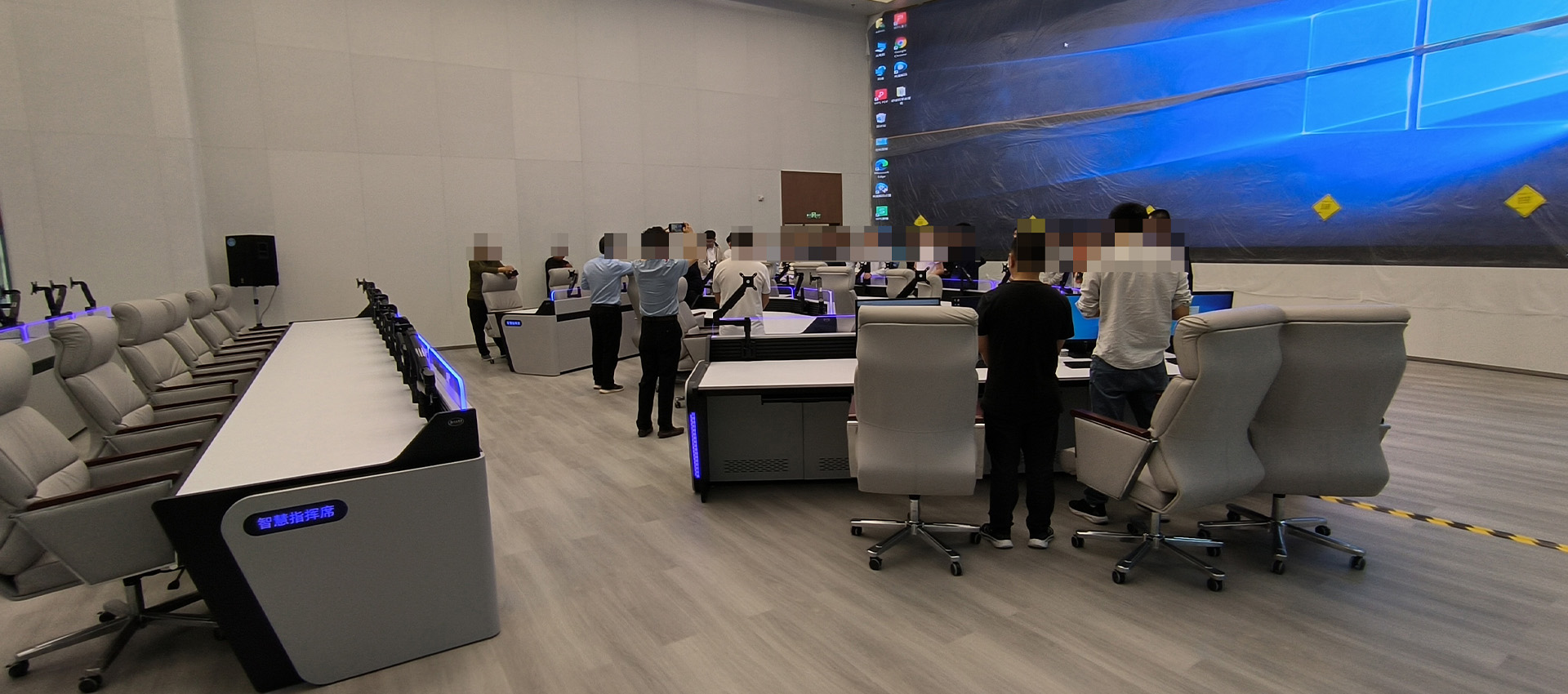
Ergonomic Design: Adopting an integrated one-piece curved structure, the console ensures consistent visual distance and smooth operating paths for all workstations. It features a standard desktop height of 750mm, individual workstation size of 1200mm × 600mm, and equipment compartment dimension of 450mm × 550mm. The recessed embedded screen structure creates zero obstruction to external tower vision.
Core Zoned Product Functions
Primary Control Operation Zone (Core Zone): Integrated with physical operation buttons and layered display terminals, this zone realizes organic linkage between outdoor visual observation and digital screen data. It supports core command and scheduling operations, including aircraft takeoff and landing, taxiing, and traffic avoidance management.
Primary Control Operation Zone (Core Zone): Integrated with physical operation buttons and layered display terminals, this zone realizes organic linkage between outdoor visual observation and digital screen data. It supports core command and scheduling operations, including aircraft takeoff and landing, taxiing, and traffic avoidance management.
Primary Control Operation Zone (Core Zone): Integrated with physical operation buttons and layered display terminals, this zone realizes organic linkage between outdoor visual observation and digital screen data. It supports core command and scheduling operations, including aircraft takeoff and landing, taxiing, and traffic avoidance management.
Primary Control Operation Zone (Core Zone): Integrated with physical operation buttons and layered display terminals, this zone realizes organic linkage between outdoor visual observation and digital screen data. It supports core command and scheduling operations, including aircraft takeoff and landing, taxiing, and traffic avoidance management.
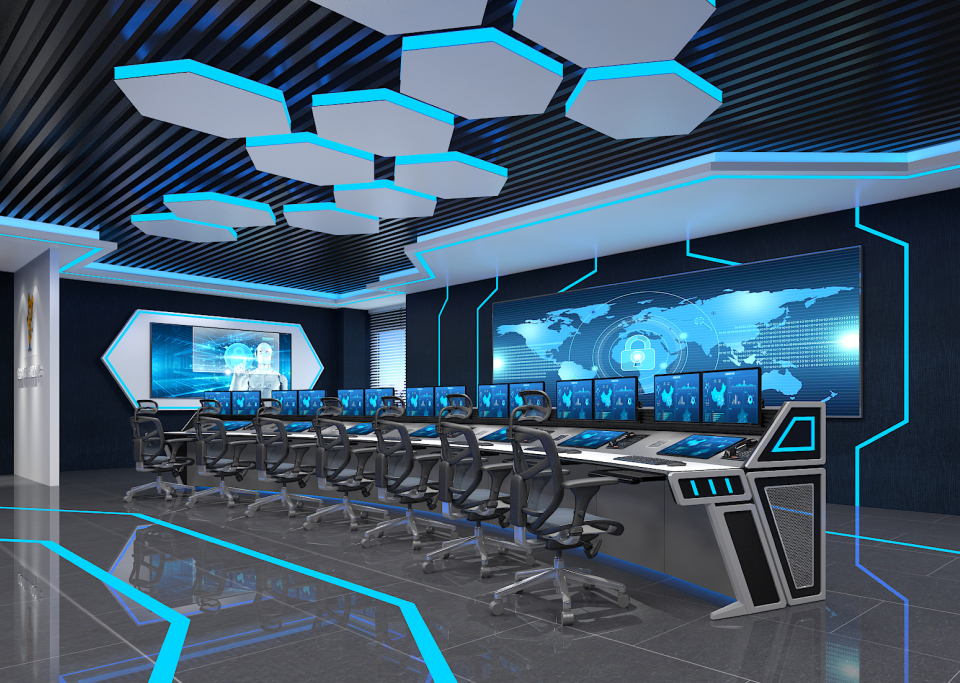
Other Industry Solutions · Yundian Ruikong
Industry Solutions
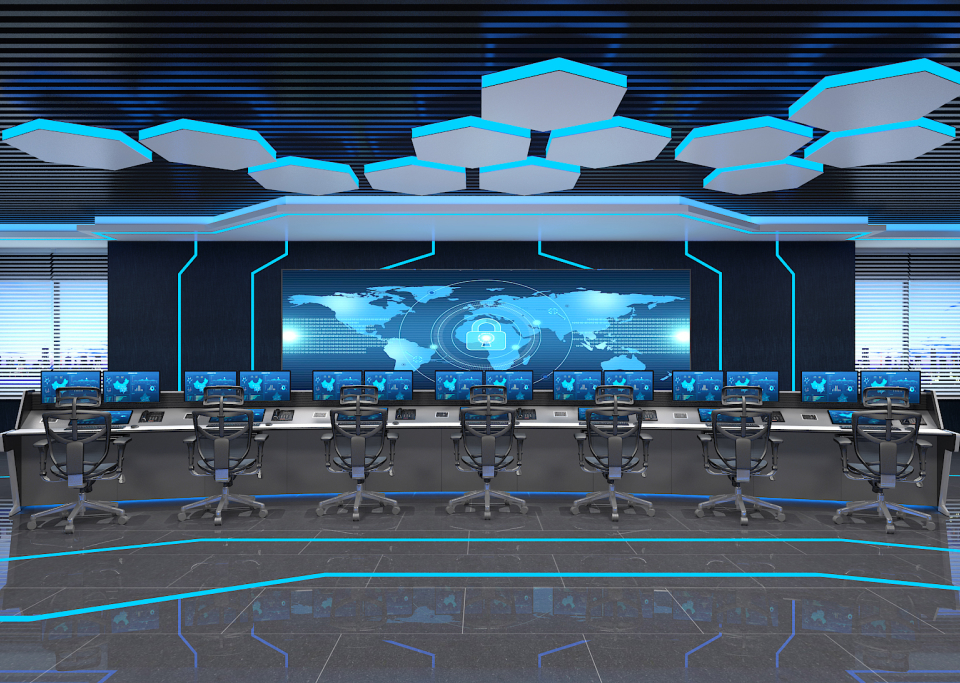
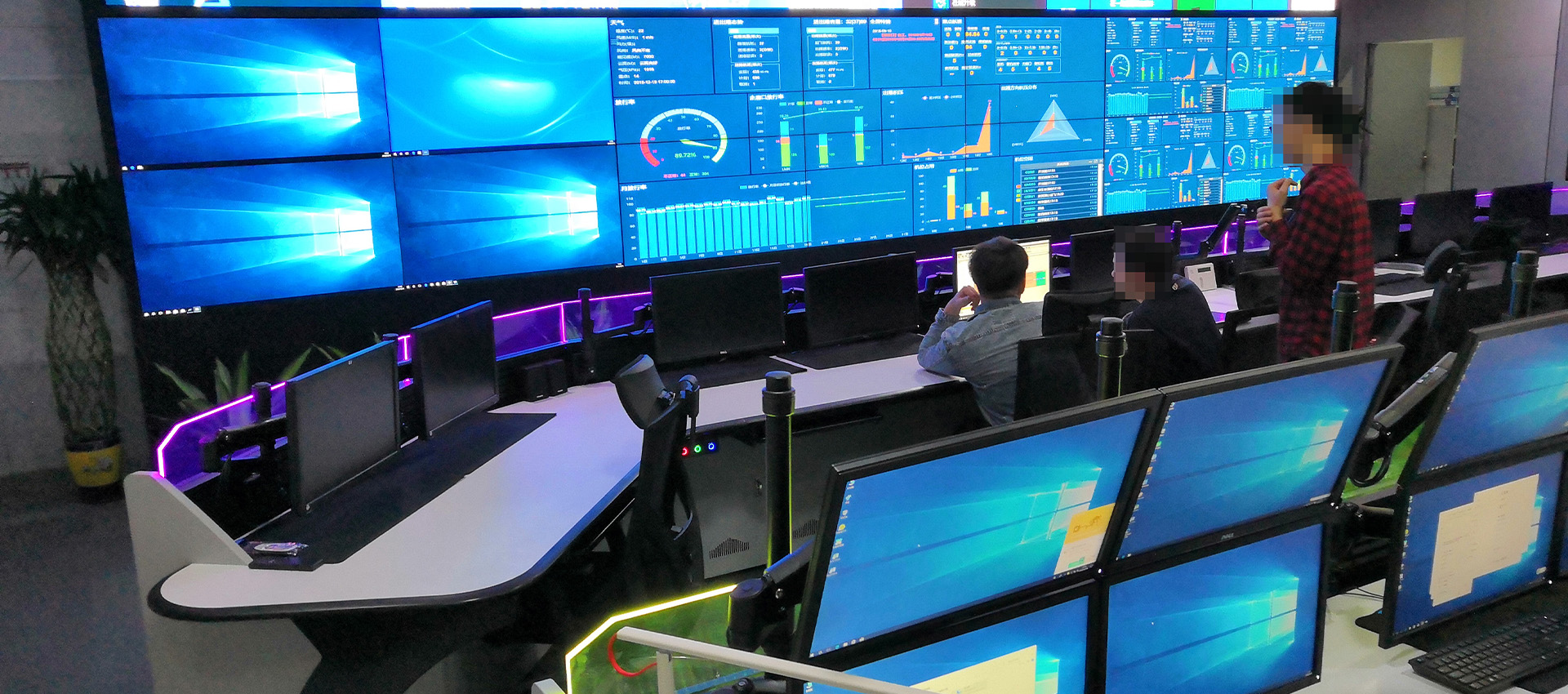
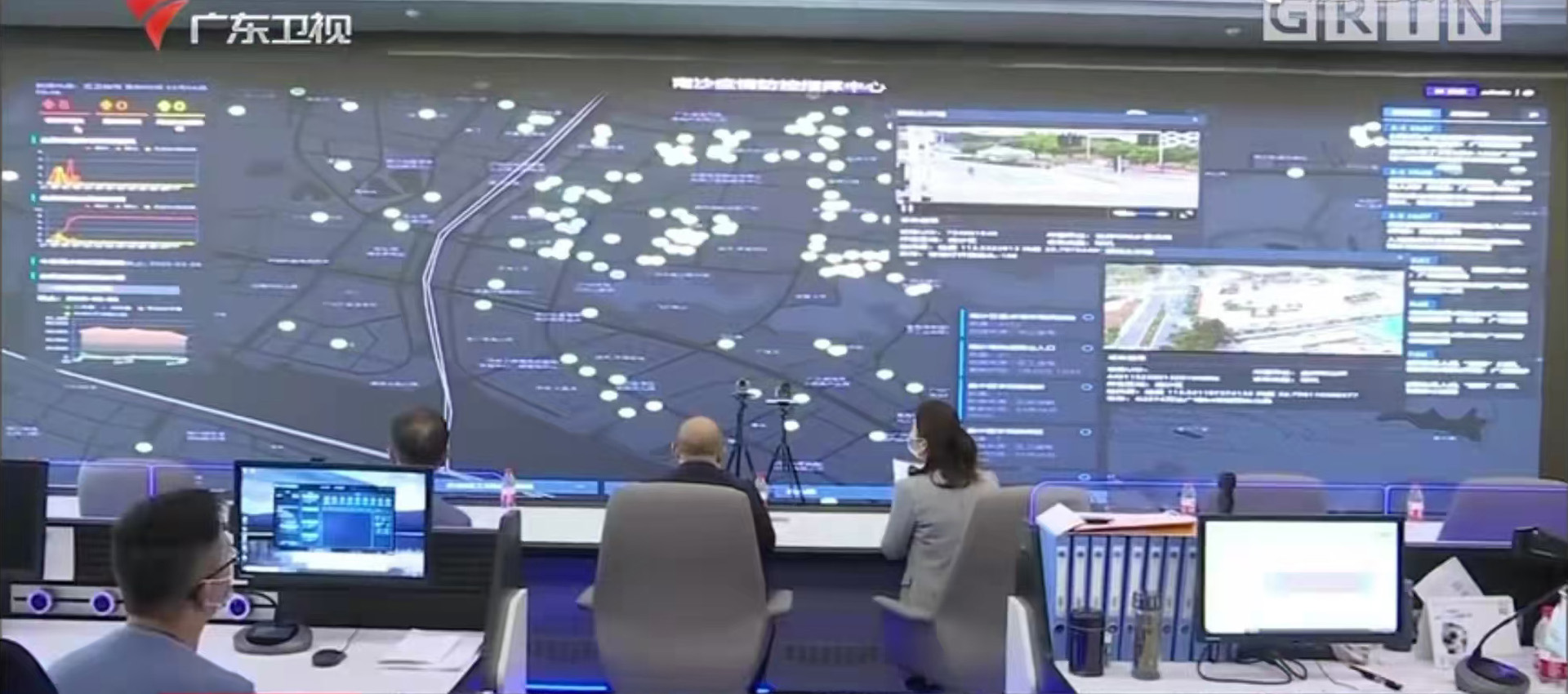
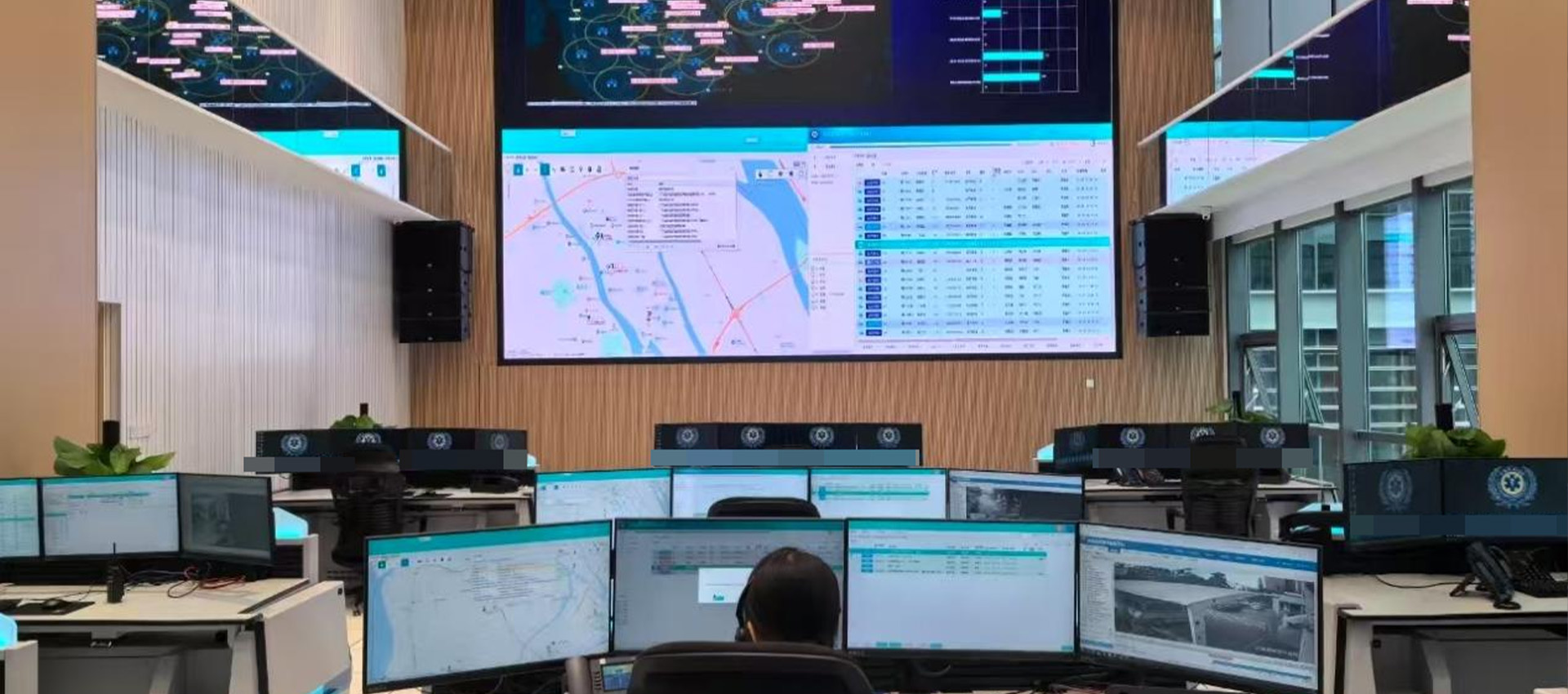
other similar locations. The control console of the command center integrates
communication systems, video surveillance systems, intelligence analysis systems, and more.


Selected Global Partners · Yundian Ruikong